
Nottingham’s main hospital gets £12.9m for same-day emergency care and the regional ambulance trust £6.35m for 40 more vehicles, but the government has given no delivery dates.
The Queen’s Medical Centre in Nottingham and East Midlands Ambulance Service (EMAS) are among the recipients of a national urgent care fund announced by the government on Sunday. The QMC is allocated £12.9 million for a new same day emergency care (SDEC) facility, and EMAS £6.35 million for 40 additional double-crewed ambulances.
Together the two awards make up a large share of the Midlands allocation from a package of almost £140 million for 14 new urgent care schemes across England, covering urgent treatment centres, same day emergency care services, ambulance fleets and emergency department upgrades. The only other Midlands scheme is £12 million to replace an ambulance operational hub in Shrewsbury.
The Department of Health and Social Care presented the package as preparation for a difficult season. It said the money follows a summer of record NHS activity and extreme heat, with flu and norovirus expected to add to the workload over winter. Health and Social Care Secretary Yvette Cooper said: “Winter will be more challenging for our NHS this year, after such a heavy summer.”
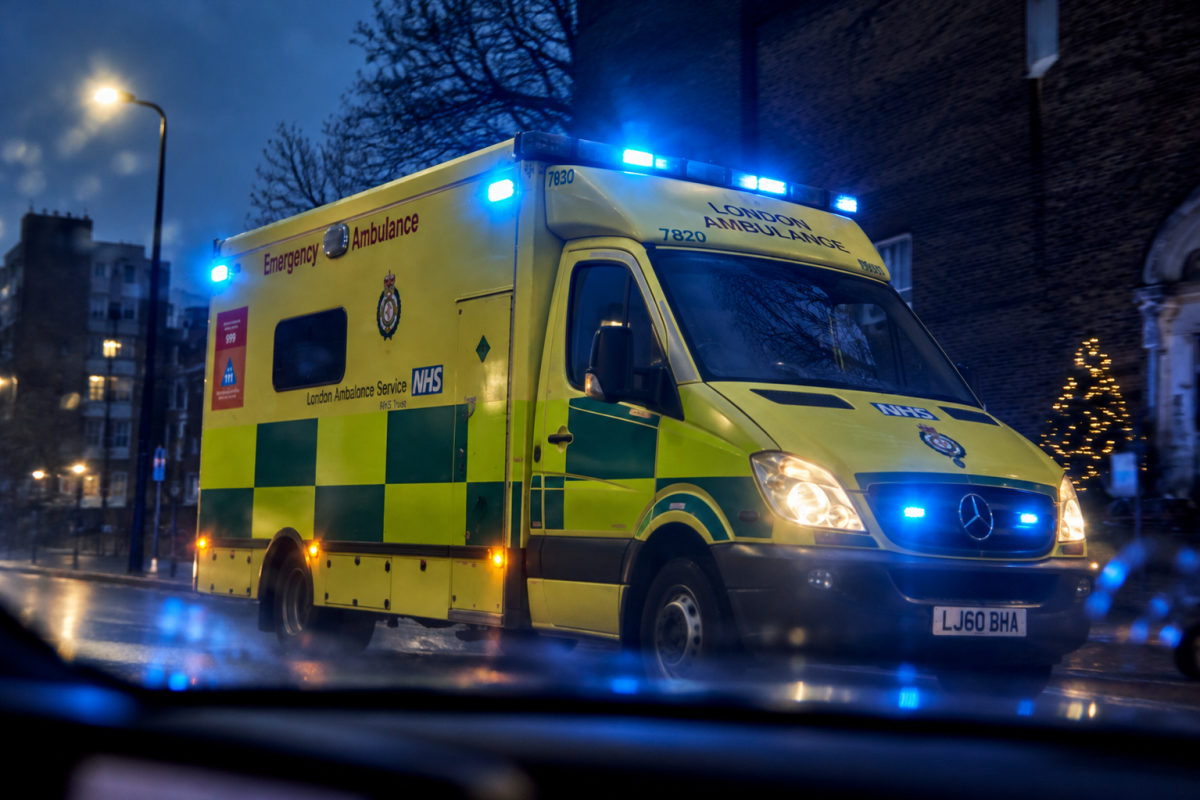
The ambulance money is meant to increase capacity during peaks in demand. The government says more ambulances and frontline staff will help EMAS respond to more 999 calls during busy periods and reach patients sooner. It has not said how the vehicles will be spread across the region or when they will enter service.
The announcement adds to growth already planned at the trust. In June, EMAS said it had secured an additional £26 million for 2026 to 2029 to permanently expand its ambulances and crews, which by 2029 would mean up to 400 more patient-facing staff working on around 40 additional ambulances. The figure of 40 vehicles appears in both announcements. Neither the government nor EMAS has said publicly whether Sunday’s capital award pays for those vehicles or adds to them.
The trust is also renewing its fleet. EMAS said in July that 58 new ambulances had entered service, with another 60 due between November 2026 and March 2027 to replace older vehicles. It has also depended heavily on private contractors. In May the trust was still using an average of 55 private ambulance crews a day to cope with handover delays and other pressures.
At the QMC, the new facility is intended for patients who need hospital assessment but not a bed. The government says it will support patients who can safely be assessed and treated within a day, potentially avoiding an overnight stay. No opening date or construction timetable was given
Nottingham University Hospitals NHS Trust (NUH), which runs the QMC, was already working on such a unit. In May the trust said it planned to double the footprint of its SDEC unit and redesign it to handle up to 150 patients a day. NHS England had already funded almost £5 million of enabling works, and the full plans, worth almost £20 million, were due for approval in the following months. Those plans include five assessment rooms, 11 cubicles, three treatment rooms, and an adjacent diagnostics suite with a CT scanner and ultrasound. The unit would open from 7am to 1am, seven days a week. Tasso Gazis, clinical director for the trust’s medicine care group, said then: “Investment in our SDEC service is much needed.” The government has not said whether the £12.9 million is for this project.
The trust says the expansion is needed. When NUH declared a critical incident in January, the QMC emergency department was seeing more than 500 people a day despite being designed for 350, and the overcrowding had led to patients being treated in corridors. NUH says the SDEC project is meant to prevent unnecessary admissions, keep patients moving through its hospitals and help end corridor care.
Nationally, the government places the new schemes within a larger programme. It says it is investing almost £2 billion in urgent care capital projects until 2030, in addition to £1.5 billion confirmed so far for urgent maintenance across the NHS estate. A further 25 urgent care sites announced in April are due to open in time for winter, including new urgent treatment centres in Birmingham, Northampton and Stoke, which are already operating, and an expanded SDEC at Bassetlaw Hospital in north Nottinghamshire.
Not everyone accepts that hospitals are the right priority. Dr Steve Taylor, GP co-lead of the Doctors’ Association UK, told the trade publication Pulse that general practice also needs substantial winter capacity, and that more funding for same-day GP appointments could reduce pressure on urgent care centres and emergency departments.
For patients in Nottinghamshire, the practical questions are still open: when the 40 ambulances will be on the road, and when building work at the QMC will begin. Neither date had been published by Wednesday.